
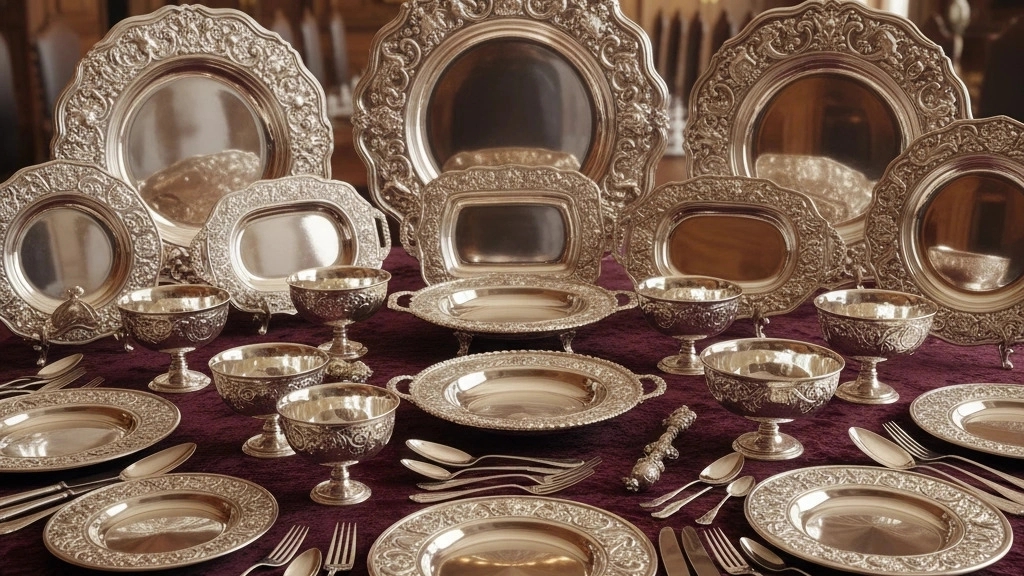
The art of silver making is one of the most original and valuable handicrafts in Iran. This art flourished in Isfahan city more than anywhere else and has become a symbol of Iranian culture and elegance. But the issue that always bothers the minds of buyers is the difference between original silverware and silverware. In today's market, many shiny and beautiful dishes are known as silver, while some are silver-plated.
In this article, we are going to examine the complete difference between these two types of dishes, the ways to distinguish them, the value of each, and tips for a safe purchase from the reliable Jezini workshop of Isfahan.
Knowledge of silver and its place in Iranian culture
Silver has long been a symbol of purity, authenticity and wealth among Iranians. This precious metal is very popular due to its brilliant color, high malleability and resistance to rust. In the industrial and artistic city of Isfahan, this metal is combined with the art of penmanship and delicate design, and turns into dishes that have an eye-catching shine.
For a long time, Jezini workshop of Isfahan with more than 25 years of experience in making silverware and silverware, has been able to bring this art to the highest quality level. The difference between real silver and imitation silver in the products of this brand is also clearly visible.
Definition of original silver and imitation silver
What is real silver?
Original silver dishes are made of pure silver metal or alloys with a high percentage of silver. The usual standard in Iran and the world for decorative silver is 925 per thousand purity, which is called "sterling silver".
In this type of dishes, the entire body is made of real silver, and for this reason, it has more weight, natural luster, and high durability.
What is silver?
In contrast, silverware is made from a base metal (usually copper or brass) and then coated with a layer of silver. This coating gives an appearance similar to real silver, but the amount of silver used in it is small.
These types of dishes are more suitable for people who want to have a luxurious effect at home, but do not want to pay the high cost of original silver.
The difference between original silverware and imitation silverware in terms of material and quality
1. The type and composition of ingredients
Original silver is made from an alloy of pure silver and a small amount of copper to increase its strength.
But in the silver screen, the body is made of another metal (such as copper) and only its surface is covered with silver.
In Jezini workshop of Isfahan, even for the silver screens, high-quality base metal and silver coating with standard thickness are used to increase the quality and durability.
2. Weight of containers
Silver is heavier than metals such as aluminum or brass. Therefore, the difference between original silverware and silverware is determined by their weight. Silver-plated dishes are lighter, while real silver dishes have a noticeable weight.
3. Brightness and color
In its natural state, genuine silver has a soft, grayish-white luster, but sterling silver may be more lustrous or even slightly yellowish, as the color of the base metal can affect the appearance.
4. Durability and resistance to cracks or scratches
The silver-look coating may scratch over time and expose the underlying metal, but genuine silver retains its luster even after many years and can be repolished.
Methods of distinguishing genuine silver dishes from imitation silverware
Distinguishing real silver from fake silver may be difficult at first glance, but it can be done easily with a few simple methods. In the following, based on the experience of Jezini masters of Isfahan, we will review the best methods:
1. Checking the silver seal and carat
All original silver dishes have a stamp or carat number. The number 925 means sterling silver. While silverware usually does not have a carat mark.
In the Jezini brand, all original silver dishes have a standard seal to guarantee the product's authenticity.
2. Experiment with a magnet
Silver does not have magnetic properties; That is, the magnet does not stick to it. If the magnet sticks to the container, the underlying metal is probably something other than silver, and thus it is considered silvery.
3. Weight and sound test
Genuine silver has more weight and produces a low, ringing sound when struck gently. Due to the different base metal, silver-faced has a low and dry sound.
4. Color change due to contact with sulfur
Original silver darkens a little when it comes in contact with sulfur in the air or in food, but silver plating usually does not change color because the silver layer is thin and wears off quickly.
5. Use of silver test solution
In specialized workshops such as Jezini Isfahan, special chemical solutions are used to detect the authenticity of silver. A few drops of this solution are poured on the surface of the container; If a red or brown color is observed, the silver is original.
The advantages of genuine silverware and silverware
Advantages of original silver
- Extreme durability and longevity
- Retention of material value over time
- Ability to repair, re-pay and revive
- Dignified and natural appearance
Advantages of silver screen
- More reasonable price
- Great variety in design
- Looks like real silver
The Jezini Isfahan brand, by using new electroplating technologies, has tried to increase the durability of silver screens so that buyers can benefit from their beauty and quality while saving money.
The use of silver and silverware in everyday life
Silver and silver-look dishes play an important role in the decoration of Iranian homes. From luxurious trays to candlesticks, mirror frames and vases, all can add a luxurious touch to the environment. In addition, many people use Jezini silver or imitation silver dishes to give gifts at wedding ceremonies or special occasions. In Isfahan Jezini Workshop, products are offered in two categories of original silver and imitation silver with different designs to cover all tastes.
Important points in buying silverware and silverware
Isfahan Jezini workshop has won the trust of buyers by providing authenticity card and guaranteeing quality.
How to maintain silverware and silverware?
Correct maintenance of silverware increases its lifespan and shine:
- Dry the dishes with a soft cloth after washing.
- Avoid contact with chemical or acidic substances (such as vinegar).
- Use a silver cloth for polishing.
- Store the dishes in a box or cotton cloth to protect them from contact with moisture.
The role of Jezini brand in preserving the authenticity of Isfahan silver making art
Jezini workshop in Isfahan is one of the pioneers of the art of silversmithing, which has left a lasting name in this industry with more than 25 years of experience in the field of manufacturing and polishing silverware and silverware. By maintaining the originality of Iranian designs and using modern methods of processing, this brand has been able to provide unparalleled quality. Jezini products have been welcomed not only in the Iranian market, but also in exports to the countries of the Persian Gulf and Europe.
conclusion
In this article, we discussed completely about the difference between genuine silver dishes and fake silverware and the methods of its detection. Original silver is a symbol of originality and material value, while silver is an economical choice to have shine and beauty.